



How to manage construction site waste?
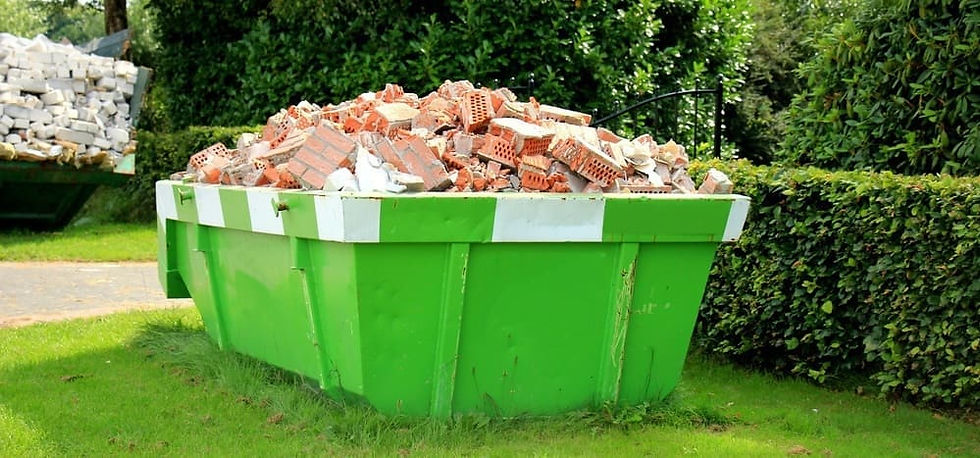
Construction waste management is a crucial issue for any building or renovation project. Whether you're building a house, a cottage, or a garage, it's important to plan from the outset how your waste will be sorted, collected, and disposed of.
PlanMaisonQuébec, a specialist in designing construction and renovation plans in Canada, helps its clients integrate sustainable and effective waste management solutions from the design stage. This guide explains why and how to manage your construction waste, while respecting regulations and adopting responsible practices.
Why managing construction waste is essential
Every construction site generates waste, whether it's excess building materials, packaging, rubble, or chemicals. Inadequate waste management can lead to several negative consequences, including additional costs, safety risks, and environmental impacts. By properly organizing waste collection and processing, you help reduce pollution, limit landfilling, and promote material recycling.
Construction projects, even small ones like a house addition or garage renovation, produce a significant amount of waste. According to experts at PlanMaisonQuébec, careful planning not only helps control these volumes but also allows for the recovery of certain materials through reuse or recycling. Proactive waste management also contributes to site safety by reducing the risks associated with the accumulation of materials on the site.
The dangers of waste if it is not controlled
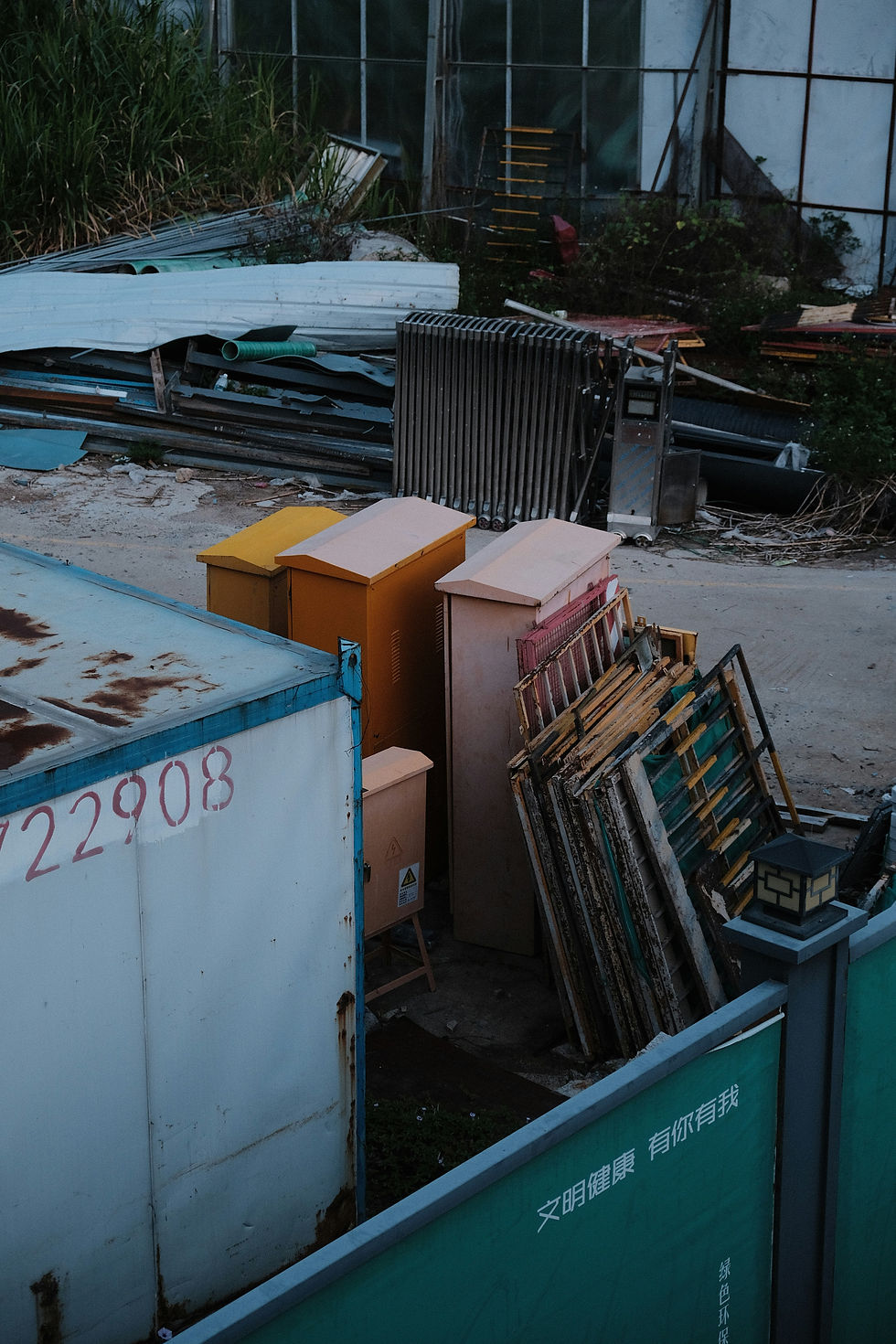
Failing to control waste on a construction site can have serious consequences for safety, health, and the environment. The dangers are numerous and affect workers, local residents, and the local ecosystem.
Worker safety risks: Unsorted and piled-up materials can cause falls, crush injuries, or cuts. Sharp objects, metal, or broken glass pose an immediate danger if no protective measures are in place.
Health impacts: Hazardous waste, such as solvents, paints, glues, and insulation containing asbestos, can cause poisoning or respiratory illnesses if handled carelessly. Prolonged exposure to these substances is particularly concerning for workers and people living near the construction site.
Environmental risks: Improperly managed waste can contaminate soil and groundwater, affect wildlife and vegetation, and contribute to air and water pollution. Materials such as paints, solvents, and certain plastics can take years to decompose and leave toxic residues.
Legal and financial consequences: Municipalities impose strict rules on waste management. Failure to comply with these rules can result in fines, penalties, and project delays. Poor management can also damage the reputation of the contractor or property owner.

By anticipating these risks and integrating sorting, recovery, and treatment solutions from the outset, you protect workers' health, limit your environmental impact, and avoid additional costs. PlanMaisonQuébec always recommends raising awareness among the entire construction team about the dangers associated with waste and best practices for preventing them.
Understanding the types of construction waste
Before defining a management strategy, it is crucial to fully understand the nature of the waste generated on a construction site. Not all waste is created equal and each requires specific treatment. Generally, three main categories are distinguished:
Inert waste consists of materials such as concrete, brick, tiles, and ceramics. These materials do not decompose and do not pose a chemical risk, but their large volume can quickly overwhelm landfills. They can be recycled at specialized centers where they are crushed to be used as aggregates or fill in other construction projects, giving them a second life.
Non-hazardous waste, such as wood, metal, cardboard, plastic, and glass, represents a significant portion of the waste on residential and commercial construction sites. Many of these materials can be reused directly, processed, or recycled. For example, untreated wood planks can be reused for temporary structures or landscaping, while metals are recovered through metallurgical recycling channels.
Hazardous waste includes certain chemicals, solvents, paints, insulation containing asbestos, or other substances harmful to health and the environment. These wastes require special attention and should never be mixed with other types of waste. In Quebec, the handling and disposal of these materials are strictly regulated. Their treatment often requires the use of specialized companies capable of ensuring their safe transport and disposal.

Understanding these categories and their specific characteristics allows for the design of effective waste management tailored to each construction site. This knowledge also facilitates the planning of on-site storage areas, the rotation of skips, and the identification of appropriate recycling or treatment facilities. PlanMaisonQuébec experts emphasize that this step is essential for reducing costs and limiting the environmental impact of a project, regardless of its size.
Plan waste management from the design stage
Effective waste management begins even before construction starts. During the design phase of your project, it is essential to incorporate a waste management plan. This plan involves:
Estimating the expected amount of waste based on the materials used and the size of the project.
Identifying materials that can be reused or recycled.
Determining collection points and appropriate containers for each type of waste.
Training the construction team to properly sort waste.
The benefits of early planning are numerous: it reduces disposal costs, decreases the construction site's environmental footprint, and improves the overall efficiency of the project. Projects monitored by PlanMaisonQuébec systematically incorporate this approach to optimize each stage of construction or renovation.

Sorting and recovery techniques on the construction site
Waste sorting on the construction site is the step that transforms passive management into a proactive and responsible approach. It's not simply about separating materials, but about implementing concrete and effective solutions to maximize recovery and recycling.
To begin, it's advisable to set up dedicated sorting areas directly on the construction site. These areas can accommodate different containers or skips for wood, metal, cardboard, plastic, and inert rubble. By separating materials at the point of production, cross-contamination, which would make recycling impossible, is avoided. This approach also reduces the time needed for post-construction waste sorting, making the site more organized and safer for workers.
Some advanced techniques include the use of modular containers or compartmentalized skips, allowing for the simultaneous storage of several types of materials while optimizing space on the site. Inert rubble, such as concrete and brick, can be crushed directly on-site or transported to specialized centers for reuse in other projects. Non-hazardous waste, such as wood or metal, can be recovered and sold to recyclers or reused on other construction sites, thus reducing the demand for new materials.
Another essential aspect of waste management is the creative reuse of materials. For example, undamaged doors, windows, or wood panels can be kept for future renovations or donated to local charities. Some construction companies in Quebec even offer services for recovering and redistributing surplus materials, contributing to a circular and sustainable model.

Finally, training teams on the sorting and safe handling of waste plays a crucial role. Every person working on the site must know the procedures and safety rules for handling hazardous materials, avoiding improper mixtures, and ensuring that each type of waste is treated correctly. This proactive approach reduces risks, lowers disposal costs, and enhances the site's sustainable development efforts.
Regulatory constraints in Quebec
In Quebec, construction waste management is governed by specific laws and regulations. Municipalities often require a waste management plan for projects exceeding a certain volume. This plan must detail the types of waste produced, the sorting methods, and the chosen treatment channels.
Failure to comply with these obligations can result in significant fines. Furthermore, some municipalities offer incentives to construction sites that adopt responsible practices, such as credits for recycling construction materials. PlanMaisonQuébec advises its clients to inquire about local requirements before work begins to avoid any surprises.

Sustainable materials and solutions
Waste management is closely linked to the choice of building materials and their potential for reuse. Opting for durable, modular, and easily recyclable materials facilitates sorting, reduces landfill waste, and contributes to the preservation of natural resources. Certified wood, metal, certain ceramics, glass, and recycled concrete can be recovered and reused in future projects, while simultaneously reducing the demand for new materials.
Some innovative solutions also make it possible to reduce waste production from the design stage. For example, the use of modular panels, demountable partitions, recyclable cladding, or demountable construction systems allows for the easy reuse of materials at the end of their life or during renovations. Recovered materials can then be integrated into new construction projects, limiting the environmental impact while reducing the costs associated with purchasing new materials.
Project ideas using recycled materials
Recycled materials can find a second life in a multitude of creative and functional projects, whether for residential construction or landscaping. Here are a few inspiring examples:
Terraces and patios: Reclaimed wood can be used to create deck decking, benches, or planters, combining durability with natural aesthetics.
Fences and partitions: Wooden planks, pallets, or modular panels can be transformed into fences or decorative partitions for the garden or indoors.
Furniture and storage: Old doors, wood panels, and certain metal structures can be reused to make custom shelves, tables, or cabinets.
Landscaping: Reclaimed bricks, pavers, or stones can be used to create walkways, retaining walls, or garden borders.
Artistic or decorative projects: Materials such as metal, glass or wood can be used to create unique decorative objects, frames or installations, giving a personalized character to your space.

By incorporating these projects into your construction or renovation projects, you give materials a second life and significantly reduce your environmental footprint.
PlanMaisonQuébec advises its clients to explore these possibilities from the design phase to optimize project sustainability and transform potential waste into creative and useful elements.
Budget to be allocated for waste management
Effectively managing construction waste requires an investment, but this investment is often offset by savings on the purchase of new materials and disposal costs. The budget depends on several factors: the size of the construction site, the type of materials, the recycling rate, and the collection and processing services chosen.
PlanMaisonQuébec recommends allocating a portion of the overall project budget specifically for waste management. This includes renting specialized dumpsters, transportation to recycling centers, and potentially using specialized companies for hazardous waste. Realistic budget planning helps reduce unforeseen costs and ensures the smooth progress of the construction project.

Understanding the technical constraints
Certain technical constraints can complicate waste management. These might include limited space on the construction site for installing skips, the handling of heavy materials, or difficult access to recycling centers. A preliminary assessment of these constraints is essential for developing an effective strategy.
PlanMaisonQuébec experts work with their clients to anticipate these obstacles and propose tailored solutions, such as installing optimized sorting areas, selecting modular skips, or organizing regular waste removal schedules. This approach ensures that waste management remains practical, economical, and safe, even on the most complex construction sites.

Conclusion
Managing construction waste is not only a legal obligation, it's also a responsible action for the environment and a way to optimize your construction or renovation project. From sorting materials to budget planning, every step counts in reducing the environmental impact and maximizing site efficiency.
Ready to start your project?

Good explanation and useful tips shared here. I discovered Vulcan Hats Construction when searching for home renovation contractors toronto.